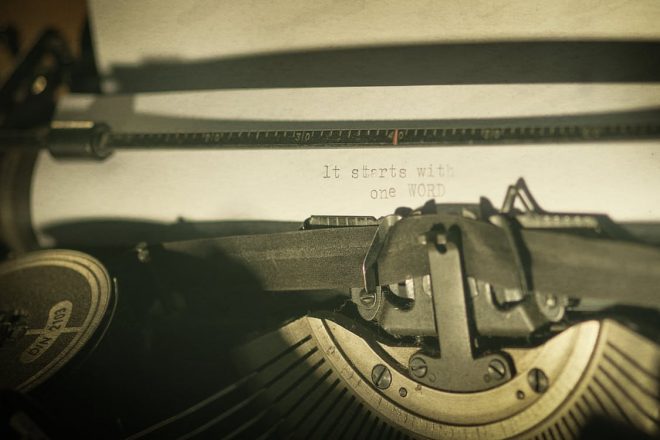
10 Ridiculously Simple Tips for Writing a Book

Publishing a book is easy; all you need is a platform. You’ve never had more opportunities to choose yourself and share your work with the world. The hard part for most of us, despite what we say, isn’t the publishing part.

It’s the actual writing.

Tips for Writing a Book

Photo credit: Boris Licina (Creative Commons)

I’ve just finished my first traditionally-published book and recently released my first eBook. The hardest part of both these endeavors was the writing process.

Looking back on both these projects, I’ve learned some things. Namely, it’s the easy, simple stuff that works. So what does it take to write a book? Here are 10 tips worth remembering:

Getting started

  • Start small. 300 words per day is plenty. John Grisham began his writing career as a lawyer. He got up early every morning and wrote one page. You can do the same. (Need some ideas for getting started? Check out these book ideas.)
  • Have an outline. Write up a table of contents that guide you. Then break up each chapter into a few sections. Think of your book in terms of beginning, middle, and end. Anything more complicated will get you lost. If you need help, read this book: Do the Work.
  • Have a set time to work on your book every day. If you want to take a day or two off per week, schedule that as time off. Don’t just let the deadline pass. And don’t let yourself off the hook.
  • Choose a unique place to write. This needs to be different from where you do other activities. The idea is to make this a special space so that when you enter it, you’re ready to work on your project.

Staying accountable

  • Have a set word count. Think in terms of 10-thousand work increments and break each chapter into roughly equal lengths:
    » 10,000 words: a pamphlet
    » 20,000 words: short eBook or print book
    » 40,000–50,000 words: good-sized nonfiction book
    » 60,000–70,000 words: longer nonfiction book
    » 80,000 words–100,000 words: typical novel length
  • Give yourself weekly deadlines. It can be a word count, percentage of progress, whatever. Just have something to aim for, and someone who will hold you accountable.
  • Get early feedback. Nothing stings worse than writing a book and then having to rewrite it, because you didn’t let anyone look at it. Have a few trusted advisers to help you discern what’s worth writing.

Staying motivated

  • Ship. No matter what, finish the book. Send it to the publisher, release it on Amazon, do whatever you need to do to get it in front of people. Just don’t put it in your drawer.
  • Embrace failure. Know that this will be hard and you will mess up. Be okay with it. Give yourself grace. That’s what will sustain you, not your high standards of perfection.
  • Write another. Most authors are embarrassed of their first book. But without that first, they never would have learned the lessons they did. So put your work out there, fail early, and try again. This is the only way you get good — you practice.

Need help publishing a book? Check out my Kindle Publishing program if you’re interested in putting an eBook on Amazon.

What ridiculously simple tips for writing a book would you add? Share in the comments.

About the Author

Jeff Goins

Writer, idea guy, difference-maker. I help people tell better stories and make a difference in the world. My family and I reside just outside of Nashville, TN. Follow me on Twitter, Facebook, or Google Plus.

  • Mike Zserdin

    Jeff, I like the part about “embrace failure” and write another. I’m sharing my outline with Joe for the next ebook next week (accountable!)…I’m actually eager to write again. Thanks for keeping us going.

    Also, you’re right about writing being the hardest part. For me, publishing is an afterthought. Writing with diligence and learning to write well and and simply shipping are my true goals.

    I trust you and your family are well.

    Mike

    • http://goinswriter.com/ Jeff Goins

       Thanks, Mike. Doing great!

  • http://donaldmcallister.com/ Donald McAllister

    I need ridiculously simple. Great tips, Jeff.

    • http://goinswriter.com/ Jeff Goins

       Ditto. :)

  • Themagicviolinist

    Thank you so much! :D I am a young writer and my mom tries to write as much as I do but just can’t find the time. I’ll definitely show her this post. 

    • http://goinswriter.com/ Jeff Goins

       cool, thanks!

  • http://godtreasure.blogspot.com/ Dorci

    I can do all the rest, but since I seem to be cut off at the knees at the very start–the platform stage–I don’t know if I’ll even have to worry about the rest.  I’ve noticed a person can write mediocre stuff but if they’re widely liked people will read and comment.  It’s all about becoming popular.  I was too shy to be popular in school and I’m still that way.  I feel stuck.

  • http://cherylbarker.blogspot.com/ Cheryl Barker

    Focus is another good tip. I realized a few months ago if I’m ever going to be ready to ship the book I’m working on, I needed to put many of my other projects on a backburner and focus primarily on getting the book written and critiqued. It’s tough at times to watch other writing opportunities come and go or to neglect getting articles submitted, etc., but that’s what’s working for me right now.

    • http://goinswriter.com/ Jeff Goins

       good one

  • http://cherylbarker.blogspot.com/ Cheryl Barker

    Focus is another good tip. I realized a few months ago if I’m ever going to be ready to ship the book I’m working on, I needed to put many of my other projects on a backburner and focus primarily on getting the book written and critiqued. It’s tough at times to watch other writing opportunities come and go or to neglect getting articles submitted, etc., but that’s what’s working for me right now.

  • http://colebradburn.com/ Cole Bradburn

    Fail early, try again.  Wish I would have thought that way through my entire 20′s.  

    • http://www.theemptyinbox.com/ Michael Hawkins

       Hey – take it from a fifty-year-old:  it’s never too late to start again.  ; – )

    • http://goinswriter.com/ Jeff Goins

       excellent

  • http://unknownjim.com/ Jim Woods

    Buy War of Art and Do the Work. Both will give you the nice boot in the butt you need as a writer. 

    • http://goinswriter.com/ Jeff Goins

       yep

  • http://www.theemptyinbox.com/ Michael Hawkins

    Great tips!

    Today is the last day of school for my boys.  My oldest will be a senior in high school next year.  This morning, my wife reminded me that we are going to be ultra-busy with senior pictures, scrap-booking the last twelve years of his life, making college visits, etc., etc.. 

    She stung me with a comment that “some of our hobbies are going to have to go on hold”. 

    I love her dearly, but I told myself that my ‘hobby’ of writing and blogging will NOT go on hold.  I will find a way (TIME) to pursue my passions.

    Your tips will help me succeed.   Thank you.

    PS:  Hope all is well with you, the wife and the ‘little man’. 

    • http://goinswriter.com/ Jeff Goins

       thank you!

  • http://unknownjim.com/ Jim Woods

    Don’t worry about “finding your voice”. That comes with LOTS and LOTS of practice. I’m not remotely there yet. Let me get back to you in about 10 years and I might have a clue as to what my writing voice sounds like. 

    • http://flailingthroughlifeandlove.blogspot.com/ Hillary

      I think a writer’s voice is a lot like a kid’s. It’s always changing, until you become an adult and then you realize you’ve just perfected the art of changing your tone depending on who your talking to. Awesome response here. :)

      • http://goinswriter.com/ Jeff Goins

         love that.

  • Lisa King

    I’ve printed this blog post and plan to re-read it every day, and I just bought your new ebook as well. Thanks for the encouraging words. I’ve been feeling like I should just quit trying to write, but maybe I just need to start really really really small. Like 100 words a day, LOL.

    • http://goinswriter.com/ Jeff Goins

       thanks, Lisa!

  • http://twitter.com/Cherubi_ Shaquanda

    I guess I would add in the tip of not writing and editing at the same time. Write it all down first and then go back and edit.

    If you try to edit as you write you might not be able to get a draft done.

    • http://goinswriter.com/ Jeff Goins

       good one

  • http://flailingthroughlifeandlove.blogspot.com/ Hillary

    I just moved, and I’ve lost my writing space where I did all my previous writing. I am finding it almost impossible to find that place in my new home. I sit down where my desk is, or elsewhere for that matter, and it just doesn’t come nearly as easily. I find myself writing during down times at work instead. So, I can definitely relate to the “have a place to write” suggestion on your list! Totally true. I’m sure I will figure it all out, but it’s been a long haul. 

    Also, I appreciate your comment about “writing another.” I believe writing one thing brings about the next. I have experienced this with my first book. It actually seems to have become nothing more than a launch pad for a complete rewrite/new story. The first work itself though, whew. It is definitely just a scrap pile at this point. 

    Great post. Very useful advice. Thank you.

  • http://JaneHinrichs.weebly.com Jane Hinrichs

    Soon, I shall put these into practice!

  • http://riveradouthit.com/ Rivera

    Great information.  To me writing a book feels no different than the parting of the Red Sea, extremely difficult.  It’s going to take a miracle of God and a lot of hard work.  Thanks for the tips.  They make it seem easier and more feasible.

    • http://goinswriter.com/ Jeff Goins

       glad to hear.

  • http://www.zigazag.com/ Johanna

    Great tips. Getting started, staying accountable and embracing failure are so important. When one book is written, it’s important to start another … not to do as we did, Move and lose all momentum. I guess it’s back to getting started and staying accountable. Thanks Jeff, for breaking it down into do-able chunks.

    • http://goinswriter.com/ Jeff Goins

       totally my pleasure

  • http://deuceology.wordpress.com Larry Carter

    Jeff, just what I needed.  I am planning a short eBook to give away.  I have my outline.  Now, I just have to sit down and do it.  Thanks for the help.

    • http://goinswriter.com/ Jeff Goins

       awesome

  • http://twitter.com/Ashley_E_Prince Ashley Prince

    Fantastic post. I definitely needed this. I am going to put this in my folder to look back to when I need help.

  • http://profiles.google.com/susanwbailey Susan Bailey

     Thank you so much for this, it’s awesome. It answers so many of my questions! And I felt really good ticking down the list and saying, “yes, yes, I can do that!” I’ve already set aside a special time of day every day that’s locked in and I have the special place. I’ve often written blog posts in that period of time which usually amount to 600-700 words.

    Actually it’s thanks to your new book, You Are a Writer that made me get up earlier each day and set up this time in stone.

    • http://goinswriter.com/ Jeff Goins

       very cool!

  • http://www.nebraskagraceful.blogspot.com Michelle DeRusha

    All great and practical tips, Jeff. Thank you!

    A few years ago I saw Anne Lamott speak in Omaha, and she advised the audience to start small — give up watching the nightly news…just a half-hour a day – and use that time to write instead, she told us. That’s exactly what I did (well, not the news, but a half hour of nightly TV) – I started with just a half-hour a day. After a while, I added more and more time by getting up at 5 a.m. — I wrote a whole book that way (it took 2 years…but still).

    Now when I’m working on a big project, I tell myself, “one blog post at a time.” If I think about writing 50,000 words, I completely freak out, but 500 is doable and much less paralyzing.

    {hope you’re enjoying time with your little guy!}

    • http://goinswriter.com/ Jeff Goins

       yep… and yep. thanks!

  • Chad Payne

    Great post.

    Elmer Towns made a statement about writing that has stuck with and challenged me for years. He said, “If you can write a page a day, you can write a book a year.”

    • http://goinswriter.com/ Jeff Goins

       that’s right.

  • http://www.redemptionsbeauty.com/ Shelly Miller

    Oh my is this helpful and needed. Thank you Jeff.

    • http://goinswriter.com/ Jeff Goins

       you’re welcome!

  • http://www.joyfilleddays.com/ Sarah Beals

    Thank you! THIS is what I needed.

    • http://www.jmlalonde.com Joe Lalonde

      I think a lot of us needed this Sarah. I know I need a deadline to get my book out. What was most helpful for you from the list?

      • http://www.joyfilleddays.com/ Sarah Beals

        Believe it or not, just the basics of laying out an outline. I have my ideas in a “mind map” of sorts, like a brainstorming thing…but was having trouble getting past that. I can write a blog post, but putting the book together seemed monumental. Small tasks, one at a time. That is what I need to do.

        • http://www.jmlalonde.com Joe Lalonde

           Nice! Thanks for the tip.

  • http://www.deannawriter.com/ Deanna Morono

    One successful author told me once that anyone can start writing a book, but only a itty-bitty percentage actually finish it. I’m happy to say I’m in the itty-bitty percentage. My hardest part is trying to get it out there, whether that’s self-publishing or finding a publisher. My thought process: “Yeah, I wrote it! But it’s not good enough, at least right now. Let’s try another.” So, meh.

  • http://www.leadingeveryday.com/ Juan Cruz Jr

    I wouldn’t add anything. Great simple tips. I’ve just been blessed reading all your tips on writing. I feel more encouraged than ever before.

  • http://lovingsimpleliving.com/ Lorilee

    I shipped my first book March 21.  Totally tons of hard work but at the same time it was easier than I thought.  Got the next 2 projects outlined and am starting to work on them.  I think this writing thing is addicting :)

    • http://www.jmlalonde.com Joe Lalonde

      Oh wow Lorilee. Congrats on getting your first book out there. What was your first book about?

      • http://lovingsimpleliving.com/ Lorilee

        It was about our family and our adopting minimalism. It was called 321 Stop – stop running and start living.  It is at 321-stop.com.  I might be bias, but I think it is a pretty cool book :)

        • http://www.jmlalonde.com Joe Lalonde

           Looks like a terrific book Lorilee! I’ll be picking it up once I’ve caught up with all of my other books.

        • http://goinswriter.com/ Jeff Goins

          GREAT title.

          • http://lovingsimpleliving.com/ Lorilee

            thanks:)  

        • Artruso

          Biased.

          • What a McDouche

            Fuck you douchebag.

            • themagicviolinist

               Hey, this is a writing blog, and people are trying to help each other with their writing. There’s no reason to be rude.

        • Sarah-louise mitchell

          well done i know haw good it feals it is a big succes in your life

    • Artruso

      Addictive.

  • http://www.eynhallowbooks.com/ Roy Eynhallow

    This is so timely and totally awesome! Thanks a lot for sharing this and fitting in some time to write it (which, I believe, you’d much rather spend with your boy!). I’ve just shipped a 
    a non-fiction book on writing a CV with little or no work experience and a small collection of short stories 
    to Kindle (will create a free version from the blog soon, too!) and it feels so great to be able to put something out there! 

    But there are 40,000 unwritten words of the novel and three more non-fiction books, outlined and planned but not written yet, so back to work.  

  • JamesPrescott77

    Good post Jeff, thanks for sharing this. Some really helpful guidance here – and totally agree that the hardest part can be the writing itself. I often use fear of how to publish as an excuse not to write, it can be very challenging.

    One thing I would say though, is about length. I have read good e-books which are no more than 3,000 words long, by authors I respect. I agree that e-books should preferably be longer than that – but if they are shorter, then it’s no problem I don’t think as a long as the quality is good and it’s longer than a blog post.

    One very helpful thing was the word count for a full on book – I’ve never really known what the ball-park is for that so to hear that was very helpful.

    Overall a very good post, thanks for sharing :-)

    • http://goinswriter.com/ Jeff Goins

       Thanks, James.

  • http://www.unmappedcountry.blogspot.com/ Hope

    This post came along at just the right time for me, Jeff. I have been going round and round in circles about my book. It’s a pile of notes, and that pile scares me. But I have been thinking about it, and your post gave me the push I need to take a step: turn the sections of notes into an outline. Obvious, but necessary advice. 
    Thanks.

    • http://www.jmlalonde.com Joe Lalonde

      Start putting it together Hope! The world needs to hear your voice. 

      • http://goinswriter.com/ Jeff Goins

        Amen

  • http://www.publicationcoach.com/ Daphne Gray-Grant

    Great tips! Just one other suggestion: avoid the whole idea of outlining. Try mindmapping instead. I agree you need the list of topics for your chapters but don’t outline them — mindmap them. Anyone who wants to understand the difference between outlining and mindmapping can sign up for my free newsletter and receive a free ebooklet on the topic: 
    http://www.publicationcoach.com 

  • http://undistractedchristian.com/ Tyler Hess

    Great tips, I’m in the very beginning stages of writing my first novel and I could use all the advice available :)

    • http://goinswriter.com/ Jeff Goins

       Congrats!

  • Leigh

    Several years ago, while goofing around, I started blogging on a social media site. Every couple of weeks, I would post “chapters”, and allowed only a few selective friends to view them. My friends went crazy over these short stories and couldn’t wait to receive the next Chapter. Fast forward to present date, these same friends along with my husband have insisted that I take a stab at writing a book. So here I am, attempting to become an Author. I have no college degree in writing, and in high school, I despised English classes. I just started putting the story onto the computer two days ago, and even though I have a ton of ideas, I can’t help but feel a little insecure. I mean, how am I supposed to write an entire book, somehow get it published and move onto the next edition, when I don’t even remember what a predicate is. I’m glad that my family and friends have faith in me, especially when I have none. I can’t be the only person to feel overwhelmed like this, can I? 

    • http://www.transformationaleditor.com/ SuzanneG

      Leigh, you’re not alone at all.  If we had a show of hands of the people reading this post who started out feeling like they would never be able to “get it right”, heck, we might eat up Jeff’s bandwidth for the week.  And you don’t have to know how to outline a sentence, or define a predicate or participle.  You just have to put words together in a way that pulls a reader into the world you are creating.  Hold your nose, take a deep breath, and jump in!  The water’s safe. ;-)

      • Leigh

        Thank you Suzanne.

  • http://www.seocopywriting.com/blog/ Heather

    Great tips. One tip that helps me stay focused is making my intentions known. When I tell my writing group I want to get to 70,000 words on a project by certain date I know they are going to ask me, “How’s that going?” Plus, when I share my goals with other writers and creatives it helps me stay on course. Finding a core creative group to hold me accountable helps me combat the almighty resistance. 

  • sparkvoice

    I love hearing about how people have succeeded.  1 step at a time.  Small chunks.  Overcoming a fear of failure.  Not quitting.  Relentlessly pursuing a goal/dream/aspiration.

    • http://goinswriter.com/ Jeff Goins

       Indeed.

  • http://rebootingworship.com/ Jamie Kocur

    This is way helpful. I’m in the beginning stages of writing a book and I feel hopelessly lost some days. I think I need to set those writing goals to keep myself on track.

    I don’t have any other tips to offer because I currently have no idea what I’m doing. :) Or rather, I’m learning as I go.

  • http://www.arthurrendine.com/ Dimitri Halkidis

    Since October 2010 I’ve committed myself to writing at least 500 words a day of anything. Could be fiction, non-fiction, journal piece, blog post, whatever. Just as long as I churned out 500 words. Lately, I’ve changed the rules a bit, and have dedicated at least 6 days a week to working on my story. The last day is a free day where I can write anything I want. This helps to prevent me from ‘burning out’ but at the same time keeps my writing habit going. 

    If I, as lazy and non-committal as I can be some times, can dedicate my time and energy to write 500 words every day, then everyone can do it. Seriously.

    • Archana

      Thanks for a simple inspiring and doable post. As an aspiring writer , this makes a lot of sense. 500 words it is !

  • http://blog.intelligentsia.eu/ Erik Back

    I wrote the book; 264 pages. All set up in PDF just lying in the drawer waiting to be printed.
    It has been there for two years now…

    • Eric Porterrytky

      dude

  • http://bobholmes.blogspot.com/ Bob Holmes

    This is really good.  It’s clear, simple and cuts through the wordy fluff ;-) I’m printing this one!

  • http://www.bubbasmith.net/ Doug Smith

    I’ve been procrastinating on writing an e-book for far too long! I usually choose the pleasure that comes from publishing a blog post over the discipline required to write consistently over time and come up with a great product. I am going to take the steps you provided in this post and apply them daily! Thanks for the encouragement! 

  • http://www.liveyourwhy.net/ Terry Hadaway

    Thanks, Jeff. One book for myself finished. About 20 written for everyone from Billy Graham to John MacArthur. I’m working on two books right now. Or it might be one really confusing book. We’ll see!

  • http://twitter.com/liveabundantly8 Living in Christ

    Thank you for these great tips! I’ve recently set specific writing times into my “Busy Mom” schedule. It’s challenging for me, but I am determined to get this book written before 2013! Your advice is so valuable.

    Thank you again and God bless,
    Amy von Borstel

  • http://sammahlstadt.com/ Sam Mahlstadt

    Love this. The only thing I’d add is:
    Don’t let anything get in your way of writing.

    Don’t give yourself a crutch with your needing your favorite computer, notebook, pen, location, etc to get the writing down. Just get the words down.

    This was a biggie for me while writing my first book.

  • http://www.transformationaleditor.com/ SuzanneG

    Thanks for the tips, Jeff.  The word count list is very helpful.  “Get early feedback” can’t be repeated often enough.  I’ve seen so many writers finish a manuscript, then discover they’ve lost the focus of the plot early on and never realized it.  Just the thought of going back and starting over again makes them throw up their hands and declare “writing is too hard.”  Get early feedback.

  • http://www.lifeofasteward.com Loren Pinilis

    I’ve found it’s helpful for me to think about my material during the cracks in my day. If I can end my writing session with the subject matter in mind that I’ll be writing about the next day, then I can spend that day thinking here and there about it.

  • http://www.gabbingwithgrace.com/ Grace at {Gabbing with Grace}

    it’s always great hearing that the publishing part is actually easier than the writing part…not very many people focus on that…I’ve basically terrified of the process of trying to get published.  However, I spent the last 8 years and now have 100,000+ words on a Memoir.  I just need to edit!  So maybe I’m over the hump?  Gloray! =)

    • http://goinswriter.com/ Jeff Goins

      You may be.

  • http://www.thecolorsofmysoul.com/ Lena

    I’ve read many articles with a similar title, but this one is amazing. 
    Love the way you categorized the tips. Thank you!

  • http://www.runninginmommyland.com/ Mbsgmerrill

    I made the commitment to stop blogging so much and focus on my book. This was great advice for me to see this morning. Thank you!

    • http://twitter.com/GKensington Greg Kensington

      I agree, staying motivated is the key. The begining of a writing project is usually the height of my motivation, it fades with the length of the project.
      http://www.descriptivephrases.com

  • http://twitter.com/NormaBudden Author Norma Budden

    It’s certainly important to hold ourselves accountable, especially when sitting in front of the computer and there’s the temptation to engage in social networking.

    I agree with the points you mentioned but, for the life of me, I can’t write with an outline. My characters tell me their stories and, even when I think I have an idea of where it’s heading, they take me in a different direction altogether. It’s enjoyable and, thankfully, the writing flows and I never get bored from knowing what is to come. :)

  • Avaline

    Thank you so much!  This really helped me a lot.  I’m 14 years old and I’m about 50,000 words into the first draft of a novel.  It really sucks right now, but I’m getting constant feedback from friends and family and plan on rewriting it the second the first draft is done :)

  • Novancy

    Thank you this was a big help and so was The Writer’s Manifesto. I can’t actually tell if I am writing for the fame or for myself all I know is that I am writing and it feels good. I am 2,100 words into my rough draft of the third or fourth start of my book. I started writing when I was 12 and my writing was, well, pathetic. Now at 15, I have started to seriously write but I find that, like with every other project I do, I lose and gain motivation in random spurs that only last a week or two. I love writing and want to finish this book but without motivation, the words are forced. My mom and friend say I have talent and encourage me to write and finish my book but I have never been one to be motivated by others, only I can give myself that. My question is how to write without or gain inspiration/motivation.

  • lisa cummings

    i have just decided that now im ready to write my first book, my first book will be based upon a real story like an autobiography. does anyone have any tips for me?

  • http://www.squidoo.com/lensmasters/wordstock Wordstock

    I have a story to write and a lot of research. I am going to write a book. Reading all the sites that have helpful information shows me how woefully unprepared I am.  Thanks for the tips on your site. They are simple and easy to follow and gives me a measure of hope.

  • Veronica W 728

    I have wanted wright a book on my life for some time now, but do not know were to start, every time that i think about and start typing i have a mental block.
    I know what i want to say but just dont know how to start it of, would love to get some help with this.
     

  • Dave

    Hi Jeff

    You are 110%  right. 
    Ideas flowing , everything is falling in place in your head but words are getting stuck. Nothing on the paper due to the fact that getting a book published cost so much money. Totally stuck. Before I even started on my book, I have contacted local publisher just to find out how much does it cost. From getting book in blue print till the end. Damn!!!! Over $30.000 for 5000 books @200 pages.  

    • http://www.facebook.com/AlexSandra.Lett AlexSandra Lett

      Dave, I used to publish at least 3,000 hardcover books a year which cost me $12,000 but used a national book printer which runs copies on big press. Local printers and publishers are not practical. For advice write AlexSandra at
       LettsSetaSpell @aol.comI have sold about 30,000 books and grossed about $300,000, however next time I am considering Create Space for Amazon.com so I can use print-on-demand and also offer on Kindle.

  • Guest

    I have a writing tip for you: “practice” = noun; “practise” = verb. “This is the only way you get good — you practice” is wrong.

    • http://goinswriter.com/ Jeff Goins

      Not in the US (see: http://www.world-english.org/practise_practice.htm).

  • Vickywarby2012

    Hi have you got any quick easy tips on planning a book. The writing comes easy for me the planning i find hard x

    • http://www.blackhillspicturebooks.com/ Christa Upton

      If fiction:  try having some ideas for the high point and the resolution in mind, and then just see where your characters “take you” in getting there.  This works better if your characters are well-thought out and pretty much take on personalities of their own. 

      If non-fiction:  use a great degree of logic to organize your points.  

  • http://www.zedara.com/ Zedara

    I aim for 500 words a day and it really adds up! Interesting about John Grisham. Great article as always :)

  • Khushi Mehta

    Thanks a lot for these tips. Actually I am an eleven year old girl, I just wanted to know how to write a book, I  wanted to try writing one book, get it read by my mother, see her reaction, then finally know whether or not it’s good enough to ship it or not, I know it’s tooooooo early to start all this.

  • Khushi Mehta

    Thanks a lot for these tips! I am an eleven year old girl. I just wanted to learn how to write a book. My plan is that I am going to write the book, get it read by my mother, listen to her reviews, know whether or not it is good enough, then finally know to ship it or throw it in my drawer. :)

    • http://goinswriter.com/ Jeff Goins

      Sounds like a plan.

  • cooleen

    Wondering about process of getting the book published? Printed?

  • http://twitter.com/pugnography Pugtographer

    I have a story to tell but don’t know which way to go with it. It’s mine and my partner’s story about how we got together from being half way across the world. Don’t know whether I should write it as a novel *based on true events* or as an autobiography. I also don’t know whether to write it in 1st or 3rd person perspective. I need some thoughts or ideas. Any help would be appreciated.

    • Writer Girl

      You could write it on true events and in first person to show what all you did,  how you felt, and what you thought.And in third person you really only tell a story and you can’t really input what thoughts were running through your mind and how you felt about the experience.

  • http://www.theskooloflife.com Srinivas Rao

    Good stuff Jeff. I’ve just finished writing my first Manifesto. It took twelve weeks and i’m shipping it Monday. Basically I just wrote about 500-1000 words a day.  Like you said the publishing part is easy. It’s the writing part. Even for our Blog to Book Deal book, which was based on interviews it took 2 months to get the launch down right. 

  • K A Unsworth

    Hard work is the key, I am stuck half way through a tween novel, I know the start, the middle and the end but I am constantly editing each paragraph until it shines. I gave myself a dead line to have this book finished by the end of this year…..I wish I had found Jeff Goins at the start of the year. I know I would have been finished. As I have accomplished more writing now with Jeff’s prompts and handy weekly tips than ever before. So thanks Jeff, it is really hard to get good advice from those who have already succeeded. So I would say find yourself someone who can motivate you as my tip, ALSO turn off your wi-fi, face book, email, Tv and Phone….. SHUT the world out and let your writing world open up, (happy writing, it is my dream to entertain, educate and inspire our youth one day.

  • Alex Bongani Tsimane

    When writing a book  you must be able to have a imaginary picture about your book,in a way that when people read the book they should be able to create their own picture about whats happening in the book in their own imagination and feel the book so that it connects with their emotions

  • Tpeake98

    Hi Jeff,
    I have just started to write my book, Thank you for these easy steps, I have found that writing the first page was the hardest. It has taken me so long to have a place to start. Again Thank you, My book is about my life as a centerfold, there is drama, murder, and finally my illness from Breast implants.
    Thank you
    Terri Lenee Peake
    Oct 1987 Pet

  • http://www.MorrisMatters.com/ Dwayne Morris

    Surround yourself with a support group that will encourage you and hold you accountable. I’m working on a project now and give daily updates to my support team. I create a private group in FB and post every evening what I did to make progress. This group also agrees to pray for me as I am writing. Knowing that A) I have to give a report and B) they are giving their time to pray for me makes me do something everyday.  To share the words of John Maxwell, “What you do daily will determine your level of success.”

  • Guest

    Ironic how you tell people how to write books when you yourself misspelled the word “career” on your first point.

    • http://goinswriter.com/ Jeff Goins

      fixed. thanks. :)

      • http://www.facebook.com/bob.holmes Bob Holmes

         That’s real encouragement to me Jeff :-) ))

    • Richardengel79

      people make mistakes, its called being human. you come on this site to get informed and your complaint is a typo? how about quit nit-picking peoples site s thats trying to help. jackass

      • Gues

         I think he was really trying to help. I would want to know if I made a mistake.

  • Mydollin5

    Im writing my first book. What’s a good range of words without looking too cluttered and boring. My book has 35 chapters. I’m on chapter 13 and already have 20,000+ words.

    • http://goinswriter.com/ Jeff Goins

      Depends on the genre. See above for approximate word lengths.

  • Jessicawre

    Hi am Jessica,your tips are really helpful.I am writing a book about a 11 year old boy called Tylor Phoan who lives as controller in Mars.His first year in ControlSchool is coming nearer.So every child is given an earthling from earth to controll and the story is going to be about Tylor getting this earthling to controll and his adventures in that school year! How do you find the idea. If interested go on my blurb website :
    jkjessicak.wordpress.com

    • Mr. Octo

       I enjoy the idea, but for credibility’s sake, check over your grammar if you are going to advertise it online.

  • http://www.zedara.com/ Zedara

    Jeff, these tips are amazing and inspiring as well as being very practical in finishing your book. Thanks!

  • Guest

    Excellent, systematic, and encouraging tips!

    I am trying to write my first book, and I have a pretty goof prologue, the hard part for me now is choosing the path I want my story to wind down (there are so many!). It’s the problem of too many options I am afraid…..

    • Guest

      *good*

      (sigh) silly typo…..

    • Carrie

      Good luck! Hope it’s going well; I can see you posted this a month ago ;)  

    • http://twitter.com/TheGreatZambini The Great Zambini

      The hat, the hat! Really, though, instead of picking randomly from a hat, sometimes it feels nice to just post a bunch of ideas on a wall with tape, and then combine a few elements so you have less options and just make it happen!

  • http://twitter.com/myblogguest Ann Smarty

    Great advice.  Especially the part about shipping it… Easy to want to shelf it, but follow-through is so important.

  • http://brianbbaker.com/about/ Brian B Baker

    I do all of these but outline, I just can’t write with an outline. It takes away from the creative process for me. I have an ending by the end of the first chapter, but other than that I’m a discovery writer.

    Working on my second book, my first was in a genre that was severely overpopulated at the time, vampires, and it’s sitting right now. My second is Y/A-Science Fiction and I have interest in it. 

    Getting the first draft is important, getting the details right in the revisions and rewrites is the work.

    1500 words is my daily word count, some times I go over, other times I’m a little short, but only by a 100 or so. 

    Great post Jeff!

    • http://twitter.com/tylerscotthess Tyler

      You can always have a loose outline, just a general direction of where you think you might want to go, that’s what I did with my first book that I just finished drafting. It can still change as you go along and you’re still creating it either way, it just helps remind you to keep going forward.

    • Wordsonpaper

      Brian,

      I share your opinion about writing an outline and already having the ending in mind.  I am just starting my first novel.  My question though is how to decide to start a new chapter and just how much detail to include in each of the chapters.  Any advice?

      • Carrie

        Hi :) For your first question, I never plan out when I start new chapters. And honestly, the way my outlining works is a bit different from most writers. I have an outline in my head for the most part. I do write ideas down for the future in the book that I have to remember, and then after I finish each chapter I write up a short, quick summary of what happened then (why I do this is because one time I got halfway through a book but couldn’t remember anything and kept making mistakes so now I write chapter summaries so I don’t forget little details :P ) But anyways, new chapters just begin when they begin. I think from reading books, I got a feel of when  chapter should end and begin. Eventually, I just get this feeling. If you go a long time without making a new chapter, maybe you can assign chapters AFTER you write the book. Also, don’t worry about the detail or anything in the chapters for your first draft – just write. The first draft seems the most fun to me (though, to be honest I haven’t gotten past the first draft before), because you don’t have to worry about grammar structure, spelling, or anything! You just write. Write down about your awesome story. You can worry about detail and stuff after you write it. 
        I can understand where you’re coming from with being worried about the chapter lengths though. It had to have been a year or less ago that I was assigning how long each chapter should be. I said, “Ten pages for every chapter”. Now, I just end the chapter when it needs to be ended. A chapter isn’t better or worse at any assigned length; you don’t need to worry too much about it.

        Hope I helped :)  

      • http://brianbbaker.com/about/ Brian B Baker

        Each chapter should have a theme to it. Whether it’s something about the main character or something about the story.

        A new chapter should have something to do with something you haven’t discussed, this is more important early in the story. The latter parts of the story are all about getting to the end.

        Details in the chapters are important, but don’t over do it. Over doing the information you put in the chapters can overload the reader and they’ll get bored with the story, you don’t want that to happen.

        Hope that helps! Happy writing.

    • http://twitter.com/TheGreatZambini The Great Zambini

      I usually hate outlines as well, but I think they can be useful for those of us that have that one story that has been gnawing at us for years, but is proving impossible to write. If it has a lot of plot twists, or you`ve imagined all the scenes but can`t really connect the dots, then I think an outline can still be useful for a discovery style of author.

  • Yummykitkats

    i hate it when i start a story/book and stop on the first few chapters, because i get tired of my original ideas. any suggestions? im only 13, but im trying to start my writing career already. im very drawn to literature.  but if i DO get tired of my ideas, or something takes the wrong turn, then do i give up and start a different book/story. or do i continue it even though it might not be on the top of my “Best Ideas” list?

    • http://themagicviolinist.blogspot.com/ Themagicviolinist

       Hi! I’m 12 and I’ve been writing and creating stories back when I was five or six. I want to be an author and I think I may have some advice for your problem, since the same thing happens to me a LOT.

      Whenever I get tired of my idea or stuck, I take a break from that particular story and move on to a different one I haven’t worked on in a while. Then maybe a month later, I’ll go back and re-read either some of what I wrote or all of what I wrote and either continue writing it, or take the story and recycle it into a short story. That way your idea isn’t completely useless, but it doesn’t have to be turned into a novel, either.

      Hope this helps! :D Good luck with everything!

      • http://themagicviolinist.blogspot.com/ Themagicviolinist

         Hmm. Not sure why my name says Gues. XD My name is really Themagicviolinist.

    • Charlotte

      That happened to me a lot. I’m 14. I probably went through 14 ideas (for a full length novel), and started writing at least 6 chapters in for each idea, until I finally got an idea that really struck me. I’m at 20,000 + words right now, and it’s the best feeling.

      My advice is just do what you’re doing. Yeah, you might go through ideas, but that way, each idea is better than the next. When you find the perfect thing, you’ll know. You’ll be planning in your head and summarizing like crazy.

      Best wishes to you. :)

    • http://twitter.com/TheGreatZambini The Great Zambini

      When the story starts to go stale, it`s usually not the original idea`s fault. More often it is because the story has gotten stuck in a rut! Introduce a new character, plot twist, or some other new element to shake things up a bit and add some interest. Do you have four chapters where the characters are falling in love in a school setting? Add a jealous ex, or have a main character move away only to have fate bring them back together after a few years, etc. Story about the protagonist`s rather average daily life? Introduce a rabid bear or a crazy magician. When the story is boring to you as an author, it`s a challenge to add some excitement!

  • Ewan S

    Great tips here, I’m glad I stumbled across your site. I’m heading for my drawer now to pull out that half finished story and get to work! 

  • Writer Girl

    I have this problem of having too many ideas and too many stories going on that I confuse my stories. I am only 12 and hoping to get one of my stories published one day.

    • Delon Naidu

      Hey, I have the exact same problem. I’m 13. I’ve been trying so hard to get a book done, but either a new idea swoops me away, or I just can’t keep at it for too long. I am going to try out 500 words a day(contrary to the 300 that this suggests). I haven’t gone any further than 13000 words ever…When you get an idea summarize the events of the book on a page, but try to forget it(busy your mind by thinking about your best idea). When you’re done with the book, recover that page, and pick up where you left off. 

      • Musings of a Muse

        Same problem here. I’ve had that a lot too. But try smashing all of your stories together. It may sound stupid, but it works well. And you get one wopper of a story because the ideas will just keep coming!

        One more piece of advice: There’s no Right Way to write. You don’t have to limit yourself to 500 words a day, you can do a few more, but don’t push yourself when you run out of ideas. DON’T TRY TOO HARD. That’s the worst thing you can do! Relax and go with the flow, have FUN with your stories. Cry with your characters, laugh with them, get angry, pick sides, choose favorites, be yourself when you write, it makes all the difference!

    • Musings of a Muse

      A great exercise for something like this is just smash all of your story ideas together. You’re story will end up ridiculous, it won’t make sense, but you’ll never run out of ideas and situations to throw your character into!

      Have fun with writing, that’s the only way you’ll get anywhere. If you force yourself, you’ll get nowhere fast. 

      Everyone runs into these problems, but, keep going and find silly things to do with it, you’ll be fine then and you might improve an idea so much that the story will just come naturally!

    • http://twitter.com/TheGreatZambini The Great Zambini

      I always have that problem. So I write each story idea onto an index card and put them away for those rare days when I don`t have any ideas. If one story plot is too simple (point A goes to point B and not much else happens) you can use one or two of your other ideas to make a side plot and some story twists for the main plot. I don`t think it makes sense to put a million ideas into one confusing story, though, as you would probably never want that published.

  • http://www.joyfilleddays.com/ Sarah Beals

    Thank you. Super helpful! 

  • Robyn Mellar-Smith

    Thanks Jeff. That is very helpful!

  • Jim Carver

    Great advice Jeff! Jim Carver

    • http://goinswriter.com/ Jeff Goins

      thanks, Jim!

  • bungalowdad

    Although it isn’t my goal at this time to write a book, this is really helpful for writing in general. I’ve recently started using my drive time to and from work to talk to myself. Well, I talk into a digital voice recorder, but it’s just an excuse to speak my thoughts. It has prompted more blog posts.

  • http://www.facebook.com/profile.php?id=1511796083 Carrie Noel

    I love the “Set a unique place to write” one. GREAT idea! :) I think I shall choose to write on my patio in the beautiful outdoors… that is, when it stops being so freezing cold!! 

  • Bryonytemple

    thanks this has really helped me write my book. i’m only thirteen but i have some great ideas to put on  paper!

  • Warriorsyan

    I’m 10, and I always have a new idea jumping around in my head after I start one… I’ve never gotten past the third page on a story. Either the beginning is bad, one chapter is all wrong or I just plain don’t like it.

    • http://twitter.com/TheGreatZambini The Great Zambini

      Lots of people have that problem. Just put it aside as is for now, and then pick it up in a year or so. You`ll have all kinds of fresh inspiration and ideas to fix the parts that don`t work and add more length. Right now perhaps the goal would be to go back to one draft and make it 5 pages by the end of the week, like an assignment!

  • Halanobani

    While your not writing,  keep a notebook in hand to write down every sentence or action or description, that will pop up in your mind, while doing anything else but writing.
    Your subconscious mind  will keep on thinking about the book all the time, and will give brilliant ideas, so don’t loose it, and write it down in the same minute.

  • Renn

    I’m having a lot of problems writing a book. My friend is writing one about a horse named Courage and I thought it was a GREAT idea, but just in case it gets published, I don’t want to copy it and now now I’m completely STUCK! Please help I’m only 12 but am inspired by almost any book I read!

    • Musings of a Muse

      You’re probably not going to read all of this, but I wish someone would have told ME all of this before I started writing. So give it a shot, ok?

      I’m fourteen. Trust me, I know the feeling. I just started writing my book today (I got two pages down, now I’m quitting) and the whole idea came from a dream. Dreams are inspirational, and even if you can’t remember all of it, that’s fine. Just remember the basics: Who, When, Where, What. Who is your character? Well, he/she’s…. When was it placed? I’m pretty sure it was in the past BUT it could have been some time in the future that only seems like the past. There’s an idea all on it’s own. 

      Look into the genre you love most. For me, Sci-fi is the way to go. Come up with a main character, but don’t make them overly powerful. The make up a character background and the rest of the story will build from there. Say you person is someone named Teagan (a personal favorite name) from the future, but the future has gone back to the past! Now Teagan is living a life full of technological advances and futuristic weaponry, but it’s just like the 1900′s! Now, do a little research, what was the 1900′s like? Where’s the best place to put your character then? What seems the most fun to write about? Japan maybe? Europe? America? Maybe even Australia or South America — go somewhere original and not overly used.

      BUT HAVE FUN WITH IT! That’s the most important thing I’ve learned. If you’re not having fun it’s absolutely IMPOSSIBLE to write anything. It’s a widely known disease called writer’s block. Just go with your ideas, let them flow, maybe start off the story before making a plot line, but never force yourself to come up with something. If you force it, your mind will shut down and you won’t be able to get a sentence out.

      You’ve got nothing to prove, nothing to show off to anyone, find a reason to write, and you’ll be able to. Find your passion, draw from your own experiences, and writing can be the most amazing thing in the world. You can reach so many different people! Get inspired, do something you’d normally never do, and then think what would my character do in a situation like this?

      Learn to love writing, and writing will learn to love you. Don’t freak out over ideas right now, I spent all of my seventh and eighth grade years (and most of this one) just trying to spit out a decent plot line.

      As long as you have heart and ambition, you can do it. 

    • MR RECYCLE

      Maybe you could write on all the types of horses their are, and the work they do,and common names for horses, just some ideas good luck

  • Nalolklk

    Thanks Jeff. Great article.  Staying motivated and accountable is vital. Using  tools for writers is also important

  • George

    I love the posts on this site…great job!
    For all of you who enjoy writing, have a look at this fun new website…I think it’s great.
    http://www.your-success-stories.com/how-it-works.html

  • lola

    I love how mean people are on here

  • beefy

    Always wanted to write a book but for some strange reason it was like I was afraid to start, can it be too late to begin being that I’m in my mid 30s & do u need the equipment such as laptops etc, would be nice for someone to give me a few pointers

    • Raven

      I got this pointer from a past english teacher. When writing a novel just write and don’t stop. Don’t go back and try to look for errors. This will be done when proof reading which is after you’re done with your novel. Also its good to read published novels to see how the authors explain certain situations in writing; example like a fight scene. Hope this helps.

  • Jentry

    I’m fifteen and I decided to write a book. I have the story line and everything, people to help. It will be called the freshman and based upon the life I see, but with a twist so it is a drama.

    • http://twitter.com/TheGreatZambini The Great Zambini

      That`s cool that you are starting so early! Just keep with it, and remember the best way to learn about writing is to practice it and see what other (published) authors have written.

  • Oni

    I’ve never heard of any of you and I work at a book store. My advice: don’t take professional advice from non-professionals.

    • imc440

      Got it, Oni.

  • Vikki

    I just finished my first book. It’s about my life so a lot of drama, but also comedy. I tell it like it is, pull no punches and no holes are barred. So some profanity is used. Plus, I have mentioned people’s (some famous) names. So I need to get permission to use their real names in my book?

  • T W

    dont try to write it…..let it write itself

  • LisaMarie

    I have been dreaming of becoming a famous author for quite some time now. I was just sitting here this morning thinking about it and decided it was time to make my dream a reality. I want to write a book about my Father that passed away when I was 12 years old.
    Does anyone have any pointers? How long should it be, etc.?
    Thank you! : )